Yoga & Holistic Lifestyle Practices for Health, Well-being and Inner Peace
Serving the Morgantown and surrounding community for 28 years
Inner Life Yoga Studio is grateful for your business and wishes you a wonderful Thanksgiving Holiday with your family and friends.
Thanksgiving Week Schedule
There will be no classes on Wed Nov 22 - Friday Nov 24th
Classes will resume on Saturday November 25th
Fall 2023 Schedule
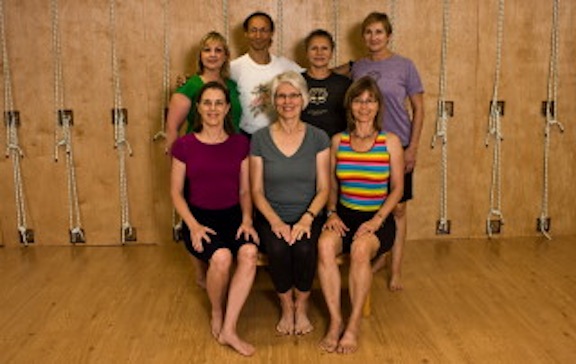
Siegfried will teach Iyengar yoga remotely on Wed 6:30-8 pm Level II and Saturday 10-11:30 Beginners onsite/online.
Kimberly will teach Iyengar yoga onsite on Monday Multilevel 9-11 am, and Beginners 5:30-7 pm and Friday 9-10:30 am Level I onsite/online.
Marleen will teach Iyengar yoga on Tuesday Multilevel at 4:30 - 6 pm onsite/online.
We are also partnering with Samantha Stout of www.LoveLiveDance.com who is offering private ballroom dance instruction at ILYS! As a special offer for friends at Inner Life Yoga Studio, use code ILY23 to get 20% off your first lesson or package.
We are offering Blended Onsite & Online Classes
Click here for instructions on how to use Zoom
(online conferencing platform)
Sign up for online classes (45 mins prior to class) under schedule
Select the Livestream option of your choice using the drop-down menu
If you are taking classes at ILYS for the first time, please fill out and sign this fillable health form, and email to Kimberly at kawilliams8@msn.com
0fferings for 2023
Regular yoga classes Classes are ongoing so you can start our yoga classes at anytime online via zoom or onsite. You have the option of paying for 1 class or a package of 6 classes. If you would like to come more than 1x/week, inquire about our discounts on 2 classes per week (10% off) and unlimited classes/week.
Therapeutic Yoga for Special Needs and Aches and Pains
Fee: $30/class or $100 for course of 4 classes. Priority will be given to students who sign up for the whole course (4 consecutive classes).
30 Days to Healthy Living Program is based on eating clean nutrient dense wholefoods, eliminating allergic and addictive foods from your diet and jump starting your eliminative organs to promote optimal health. This program is jumpstart a healthy lifestyle. Boot camps start on every Monday of the month. Meal plans and recipes for vegetarians and omnivores, education and support in closed FB group (opens 7 days prior to the start of the program) plus coaching. Nutritional products used in the program must be purchased 5-7 days in advance to be in your hands for the start of the program. Contact Kimberly at 304 276-4956 to learn more and for enrollment and ordering of your nutritional products. Bootcamps start every Monday in 2023.
The Mindfulness-Based Stress Reduction Program This eight week course based on mindfulness meditation and transforming unconscious reactions into conscious responses takes place on Thursdays from 7-9 pm and has 22 hrs of teaching including a silent 6 hr retreat on the weekend of the 6th week. Date: TBA Fee: $300 * Please let us know of your interest.
Monthly Yoga Workshops Fridays from 5:30-8:30 pm with Junior Intermediate I Iyengar Yoga teacher, Kimberly Williams. Workshops in Fall 2023: TBA (1 year regular practice needed to attend). Fee: $50
Yoga Teacher Training Program Monthly mentoring sessions with Junior Intermediate III Iyengar Yoga teacher, Siegfried Bleher on Saturday afternoons from 1-4 pm once per month. TBA Let us know of your interest. Fee: $50
If you are looking for a place that aspires to teach the art and science of optimal living, you have come to the right place!
At Inner Life Yoga Studio, our students achieve optimal health and well-being through yoga and holistic lifestyle practices. These practices include learning yoga poses (asanas) , breathing practices (pranayama) and meditation, as well as whole foods nutrition, mindful living, and the use of pure, safe and beneficial personal care products.
We teach all ages and all levels, as well as those with special needs--pregnant women, people in pain, poor health, or overweight and special interests - athletics, high performance and stress reduction. There is an emphasis on learning the fundamentals of how to perform yoga poses and their step-by-step progression. This yields maximum benefits and achievements for the student, as well as preparation for the advanced practices of pranayama and meditation.
Our highly qualified instructors teach the many ways of practicing yoga including vinyasa, restorative yoga, and classical asanas (poses) and pranayama (breathing practices). Yoga philosophy is integrated into the higher level asana classes and workshops. We help our students overcome pain and symptoms of dis-ease through our yoga therapy and 50-plus programs. Optimal function and higher states of mind and emotional intelligence can be reached through our regular classes, privates, personal training and coaching sessions.
Our goal is to meet students where they are, tailor their practice to their needs and aspirations, and help them achieve their desire for high level wellness in the many dimensions of their lives.
We also mentor individuals who aspire to become yoga teachers and prepare them for the certification governed by Yoga Alliance & the Iyengar National Association of the United States.
Please complete the survey below and let us know how we can best serve your aspirations for optimal living! If you have any additional questions, or would like to speak with one of us on the phone, please call us at 304 276-4956.


